Kindergarten to Grade 1
Notice and name
Use concrete examples, short turns, modelling, and spoken explanation.
Teacher planning studio
Connect six practice skills across three flexible grade bands. Every route pairs a clear learning goal with a browser game, an offline task, an evidence prompt, and a next teaching move.
Planning lens
Use concrete examples, short turns, modelling, and spoken explanation.
Invite a strategy, test it, and ask what changed after the first attempt.
Compare approaches, justify a claim, and make a purposeful revision.
Connected progression
Grade bands are starting points, not placement levels. Adjust the support, challenge, and pace for the learner in front of you.
Notice and name

Connect a small group of objects to a number and explain how it was counted.
Notice
Notice whether counting stays accurate when the objects move or change position.
Make offline
Use counters or drawings to complete a short addition page.
Look and listen for
How did you keep track without counting the same object twice?
Support
Use five or fewer physical counters and touch each one while counting.
Extend
Hide one part of a group and ask how many must be missing.

Sort visible objects by one feature and explain the rule in simple words.
Notice
Notice colour, shape, and position before choosing where an item belongs.
Make offline
Copy and extend short colour patterns on paper.
Look and listen for
What rule did you use to decide where each item belonged?
Support
Begin with two clearly different groups and name the feature together.
Extend
Sort the same set twice using two different rules.

Hold a short visual sequence in mind and reproduce it in order.
Notice
Notice whether saying, pointing, or grouping the colours makes the sequence easier to remember.
Make offline
Record one successful sequence and the strategy used to remember it.
Look and listen for
What did you do while you were waiting for your turn?
Support
Say each colour aloud and stop after a two-part sequence.
Extend
Create a new four-part sequence for someone else to repeat.

Notice letters in familiar words and practise forming or selecting them accurately.
Notice
Notice the first, middle, and final letters instead of guessing from word shape alone.
Make offline
Trace, say, and write a small set of useful words.
Look and listen for
Which letter clue helped you recognize the word?
Support
Use three short familiar words and name each letter before writing.
Extend
Use one focus word in a complete spoken sentence.

Make a visual choice and explain how it supports a simple idea or story.
Notice
Notice how colour and placement can change the feeling of a picture.
Make offline
Draw a beginning, change, and ending across simple story panels.
Look and listen for
What do you want someone to notice first?
Support
Offer two choices and ask the learner to explain one choice.
Extend
Add a speech bubble or one descriptive sentence to each panel.

Track a moving target and respond at a chosen moment instead of tapping early.
Notice
Notice the difference between watching the target and reacting before it reaches the line.
Make offline
Follow and draw a short arrow sequence at a comfortable pace.
Look and listen for
What helped you wait for the right moment?
Support
Use one lane or direction at a time and practise a steady beat together.
Extend
Create an eight-arrow pattern and perform it with claps or steps.
Choose and explain
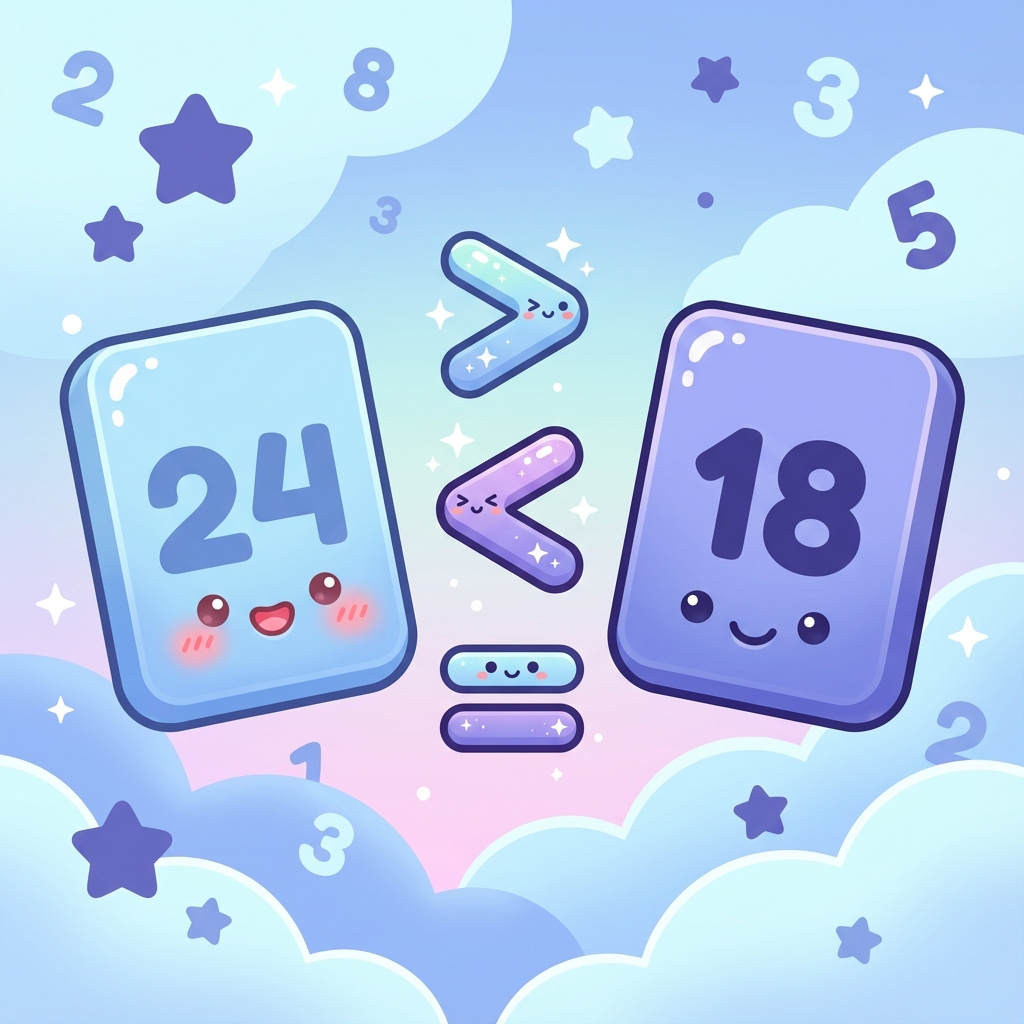
Compare quantities or measurements and include the correct unit in an explanation.
Notice
Notice whether the question asks for a total, a difference, or a comparison.
Make offline
Solve measurement comparisons and label every answer with a unit.
Look and listen for
What words told you which operation or comparison to use?
Support
Draw or place the two quantities side by side before calculating.
Extend
Write a new comparison problem using two objects in the room.

Plan a short route, test it, and revise the first step that does not work.
Notice
Notice where the actual route first differs from the planned route.
Make offline
Draw an algorithm with a start, actions, a decision, and an end.
Look and listen for
Which step changed after you tested the plan?
Support
Plan only the next two moves, test them, and then add two more.
Extend
Find a second route and compare its number of moves.
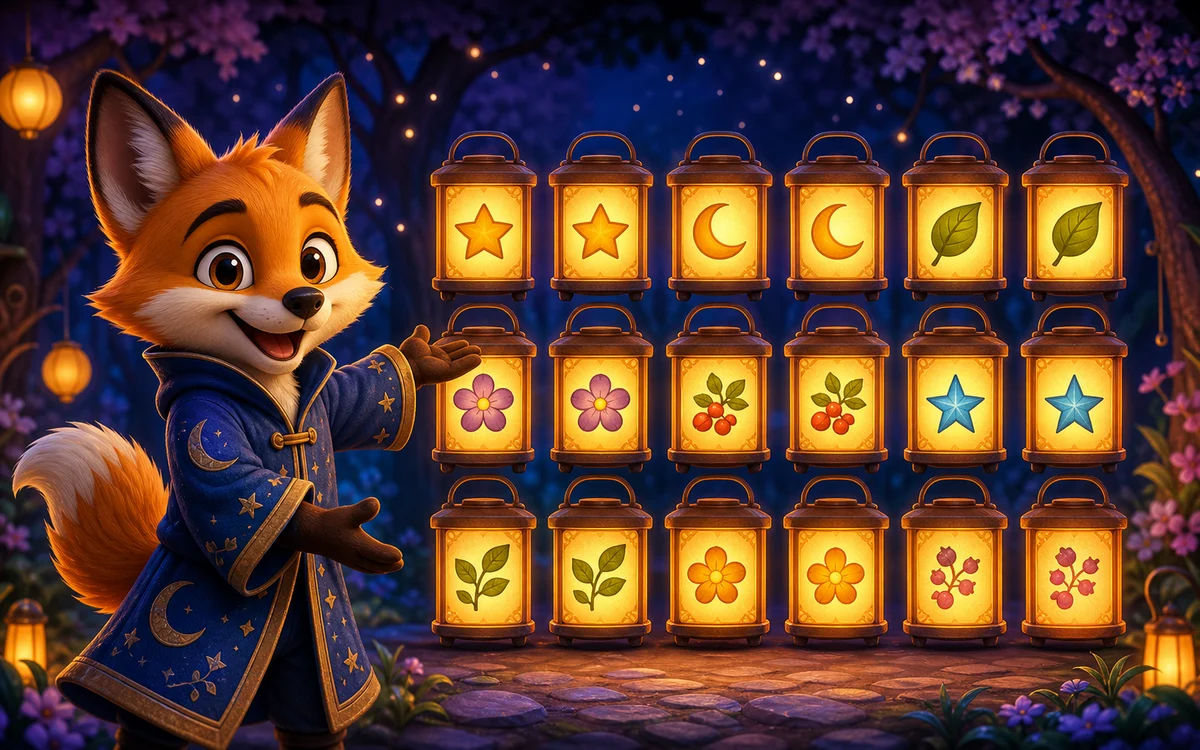
Use a deliberate strategy to remember positions, pairs, or visual details.
Notice
Notice whether location words, grouping, or a quiet pause helps memory.
Make offline
Map the strategy used and identify one distraction to reduce next time.
Look and listen for
How did you describe a location in your mind?
Support
Reduce the number of pairs and use position words such as top-left.
Extend
Explain the layout to a partner without pointing.
Use letter patterns and context to read, spell, and use useful words.
Notice
Notice repeated letter pairs, word endings, and meaningful word parts.
Make offline
Build a word search from a focus list and then use selected words in sentences.
Look and listen for
Which letter pattern was easiest to spot?
Support
Use six short words with clearly different first letters.
Extend
Group the words by shared spelling pattern or meaning.
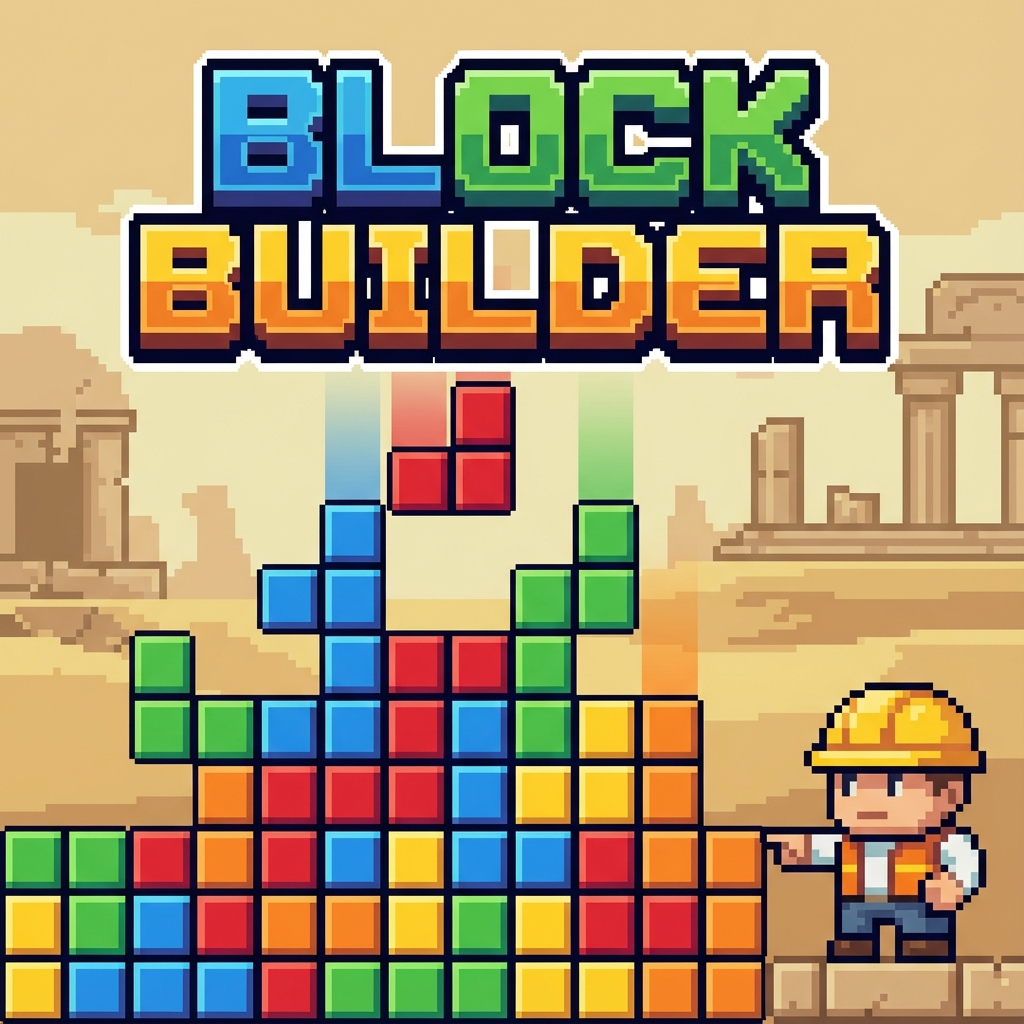
Plan a creation for a user, test one idea, and make a purposeful revision.
Notice
Notice how size, shape, colour, and arrangement affect how the design works.
Make offline
Sketch a first version, label key parts, and record one revision.
Look and listen for
Who is your design for, and what do they need?
Support
Choose one user need and sketch only the most important part.
Extend
Add a constraint such as limited space, pieces, or colours.

Coordinate visual information with accurate directional movement and timing.
Notice
Notice whether looking ahead gives more time to prepare the next movement.
Make offline
Translate a movement sequence into arrows and rehearse it slowly.
Look and listen for
Where were your eyes just before a successful move?
Support
Practise four arrows slowly before increasing speed.
Extend
Create two routes that reach the same endpoint.
Use evidence and revise

Change one variable in a model, record the result, and make a cautious evidence-based conclusion.
Notice
Notice which variable changed and which observations should stay comparable.
Make offline
Record a prediction, observation, result, and next-test question.
Look and listen for
What evidence supported or changed your prediction?
Support
Compare only two surfaces and use a simple more/less result table.
Extend
Repeat a test and explain why repeated observations strengthen a conclusion.

Represent a multi-step route with a decision, test it, and debug the sequence.
Notice
Notice where a condition changes which action should happen next.
Make offline
Create a flowchart with a clear decision and two possible paths.
Look and listen for
What condition controls the choice between the two paths?
Support
Use one decision with only two clearly labelled outcomes.
Extend
Add a second condition and explain how it changes the algorithm.
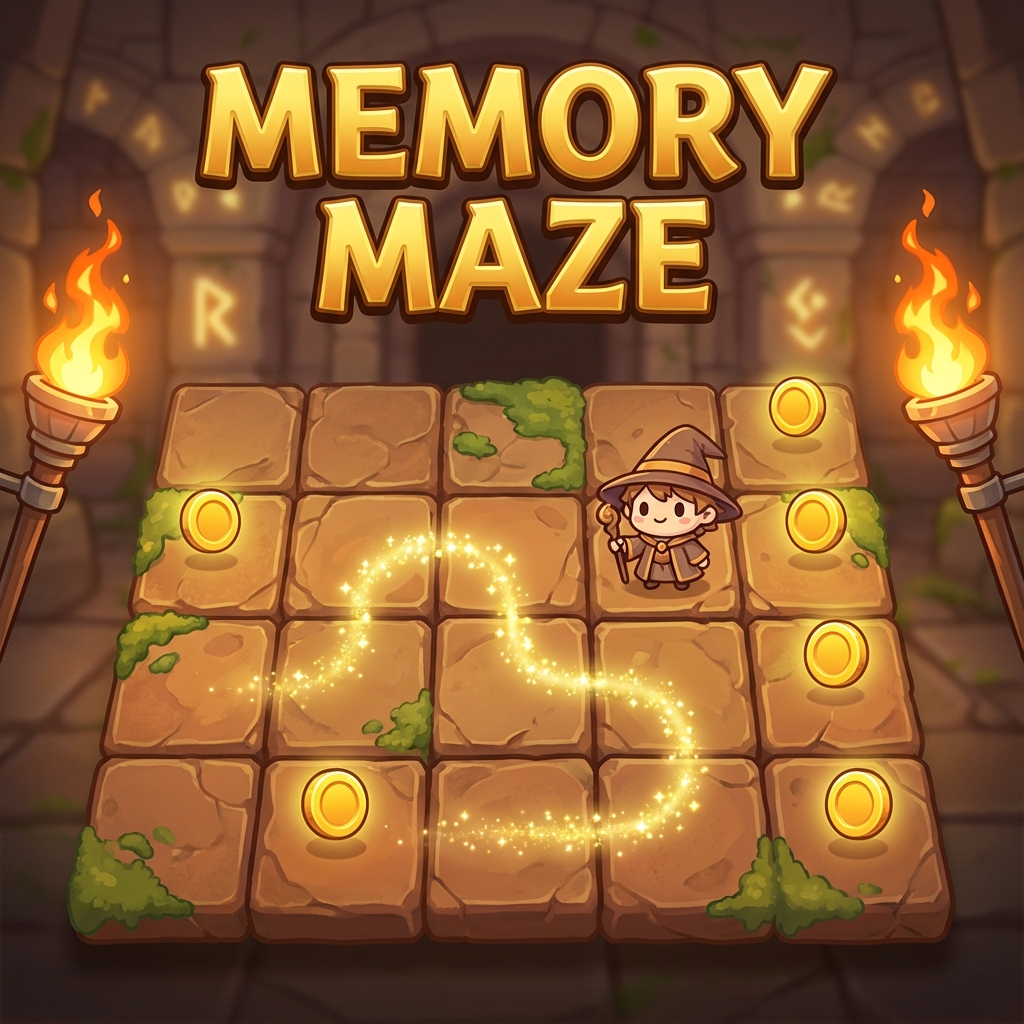
Compare two attention or memory strategies and identify when each is useful.
Notice
Notice whether chunking, verbal rehearsal, or spatial landmarks improve recall.
Make offline
Record the strategy, the result, and one condition that affected focus.
Look and listen for
Which strategy worked best for this task, and what is your evidence?
Support
Test one strategy across two short rounds before comparing.
Extend
Design a fair comparison between two memory strategies.
Infer, define, and accurately use vocabulary with evidence from spelling or context.
Notice
Notice roots, affixes, nearby words, and sentence meaning before choosing an answer.
Make offline
Use selected vocabulary in precise sentences or a short scene.
Look and listen for
Which clue was strongest: spelling, word part, or context?
Support
Provide two possible meanings and ask which the context supports.
Extend
Revise a sentence so the word meaning is clear without a definition.
Develop a visual plan under constraints and justify a design revision.
Notice
Notice trade-offs between appearance, space, materials, and the user goal.
Make offline
Draw a labelled blueprint, identify one constraint, and revise the design.
Look and listen for
Which constraint most affected your design?
Support
Limit the blueprint to three labelled components and one constraint.
Extend
Create an alternate version for a different user or space.

Use visual tracking and controlled timing to improve accuracy across repeated attempts.
Notice
Notice how small, planned inputs affect speed, direction, and control.
Make offline
Diagram an input sequence and annotate where a correction is needed.
Look and listen for
Which small adjustment had the largest effect?
Support
Focus on one control at a time and pause to predict its effect.
Extend
Compare two input sequences and explain which is more efficient.
Responsible use
These routes organize practice opportunities and observable conversations. They are not grades, diagnostic tools, mastery claims, or substitutes for local curriculum requirements and professional judgement.